
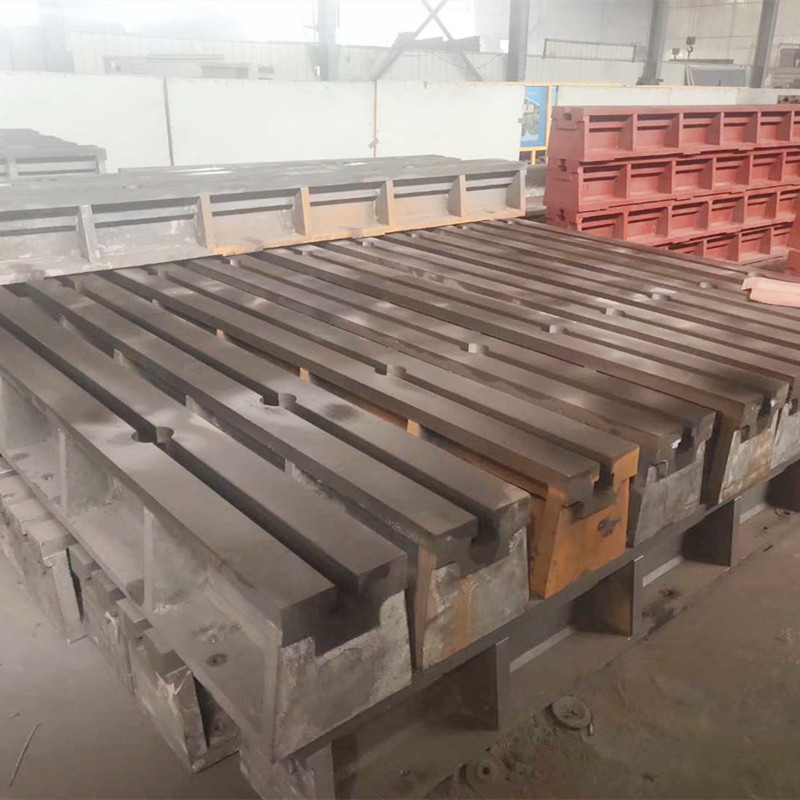
large vanity mirror with lights
How to Change the Main Water Valve A Step-by-Step Guide Changing the main water valve in your home can seem like a daunting task, but with the right tools and a little guidance, it can be accomplished with ease. This essential component controls the flow of water into your home, and knowing how to replace it can save you from potential flooding or water damage. Here is a comprehensive step-by-step guide on how to change your main water valve safely and efficiently. Understanding the Main Water Valve The main water valve is typically located near where the water line enters your home, often found in the basement, crawlspace, or near the foundation. The valve allows you to shut off the water supply for repairs or emergencies, making it crucial for managing your household's plumbing system. Tools and Materials You'll Need Before you begin, gather the necessary tools and materials - Adjustable wrench or pipe wrench - Screwdriver - Hacksaw (if needed) - Replacement valve (matching your existing size and type) - Plumber’s tape - Towels or sponge (for any spills) - Bucket (to catch any residual water) Step 1 Shut Off the Water Supply This is the most important step. Locate your main water shut-off valve. If you're unsure where it is, turn on a faucet to identify which direction is the supply; then use that knowledge to find the valve. Once you locate it, turn the valve clockwise until it stops. This action will cut off the water flow to your home. Step 2 Drain the Lines Next, open faucets throughout your home to relieve pressure and drain any residual water in the pipes. Start with the highest faucet to allow gravity to help, then work your way down to the lowest . This step will help minimize any mess when you remove the old valve. Step 3 Remove the Old Valve how to change main water valve Using your adjustable wrench, loosen the nuts attaching the old valve to the water supply pipes. Depending on the type of connections (threaded, compression, etc.), you may need to adjust your approach. If the old valve is soldered, you may need a hacksaw to cut it out. Be cautious if you are cutting through metal; the area can become sharp. Step 4 Prepare for Installation Once the old valve is removed, clean the threads of the pipes to ensure there is no debris or old plumber’s tape left. This will help create a proper seal when the new valve is installed. Inspect the condition of the connecting pipes; if they show signs of corrosion or damage, you may need to address those issues before proceeding. Step 5 Install the New Valve Take your replacement valve and wrap the threads with plumber’s tape. This tape helps to create a watertight seal and makes it easier to screw on the new valve. Hand tighten the valve onto the pipes first, then use your wrench to secure it further, but avoid overtightening, which can damage the threads. Step 6 Turn the Water Supply Back On Once the new valve is securely in place, you can turn the main supply back on. Turn the valve counter-clockwise slowly to avoid sudden pressure changes. Check for leaks around the new valve as water begins to flow. Step 7 Test Everything After you have turned the water back on, inspect the installation for any signs of leaks. Open a few faucets in your home to allow water to flow through the plumbing system. This step ensures that everything is functioning correctly and that your new valve is operating as it should. Conclusion Replacing the main water valve in your home may seem challenging, but by following these steps, you can do it on your own, saving money on professional plumber costs. It’s always a good idea to familiarize yourself with your home’s plumbing system, and knowing how to replace your main water valve can empower you to handle future plumbing issues with confidence. If you encounter any complications or are uncertain about any step, don’t hesitate to consult a professional plumber. Your home’s water system deserves the best care and attention!
about
large vanity mirror with lights
Understanding Level Supplier Relationships in Supply Chain Management In today's complex global marketplace, businesses rely heavily on their supply chains to deliver products and services efficiently. One crucial aspect of supply chain management is the concept of level suppliers. Level suppliers are categorized based on their ability to meet specific criteria that ensure quality, reliability, and efficiency. This article explores the significance of level suppliers, their classification, and their impact on supply chain performance. Definition and Classification of Level Suppliers Level suppliers can be classified into several tiers based on their strategic importance and the role they play in the supply chain. The most common classifications include 1. Tier 1 Suppliers These suppliers have a direct relationship with the company, providing essential components or services. They are typically key partners and are involved in the design and development of products. 2. Tier 2 Suppliers These suppliers provide materials or components that are used by Tier 1 suppliers. Although they may not interact directly with the primary enterprise, their reliability is critical for the uninterrupted flow of production. 3. Tier 3 Suppliers Often considered indirect suppliers, Tier 3 suppliers provide raw materials or sub-components needed by Tier 2 suppliers. While they might not be directly engaged with the primary business, their performance can significantly influence the supply chain's overall efficiency. The classification of suppliers into these tiers helps organizations prioritize their relationships and manage risk effectively. Understanding the supplier levels aids businesses in developing appropriate strategies for supplier management, risk mitigation, and quality assurance. Importance of Level Suppliers Having a robust base of level suppliers is vital for any organization . Here are a few reasons why they are essential for supply chain success 1. Quality Assurance Level suppliers play a pivotal role in maintaining product quality. By working closely with Tier 1 suppliers, organizations can ensure that the materials sourced from Tier 2 and Tier 3 suppliers meet the necessary standards. This collaboration leads to higher product quality and minimizes defects. level supplier 2. Risk Management Diversifying supplier relationships across different levels helps mitigate risks associated with supply chain disruptions. If a Tier 1 supplier encounters problems, organizations can quickly turn to Tier 2 or Tier 3 suppliers to maintain production continuity, ensuring that operations are not adversely affected. 3. Cost Efficiency By establishing relationships with multiple levels of suppliers, companies can leverage competitive pricing. Tier 2 and Tier 3 suppliers may offer more cost-effective solutions, allowing organizations to optimize their cost structures without compromising on quality. 4. Innovation and Collaboration Level suppliers often contribute to innovative processes and products. Collaborating with suppliers at various levels fosters an environment where new ideas can flourish, driving technological advancements and improving overall business performance. Managing Level Supplier Relationships To maximize the benefits of level supplier relationships, organizations should adopt strategic approaches, including - Supplier Assessment Regularly assessing suppliers based on performance metrics, quality standards, and delivery timelines ensures that businesses partner with capable organizations. This includes conducting audits and monitoring KPIs to maintain high operational standards. - Open Communication Maintaining transparent and open lines of communication with suppliers at all levels fosters collaboration. Companies can share forecasts, production plans, and challenges, creating a more responsive and agile supply chain. - Supplier Development Programs Investing in supplier development initiatives can enhance supplier capabilities. Providing training, resources, and support encourages suppliers to improve their processes, leading to better overall supply chain performance. - Long-term Partnerships Developing long-term relationships with suppliers promotes loyalty and commitment. By establishing strategic alliances, companies can work collaboratively on new projects, improve efficiency, and innovate together. Conclusion In conclusion, level suppliers are integral to effective supply chain management. By understanding supplier classifications and managing relationships strategically, businesses can enhance quality, reduce risks, and drive innovation. As the global supply chain landscape evolves, organizations that prioritize their level suppliers will be better positioned to adapt and thrive in an increasingly competitive environment.
-

High quality industrial productsagement

High quality industrial products
View Details -

Meet the diverse needs of customers

Meet the diverse needs of customers
View Details -

Strict quality control

Strict quality control
View Details -

Top raw materials

Top raw materials
View Details -

Trusted supplier

Trusted supplier
View Details
Our application


news and information

wood frame truss nail plate
Understanding Wood Frame Truss Nail Plates A Structural Perspective In the realm of modern construct
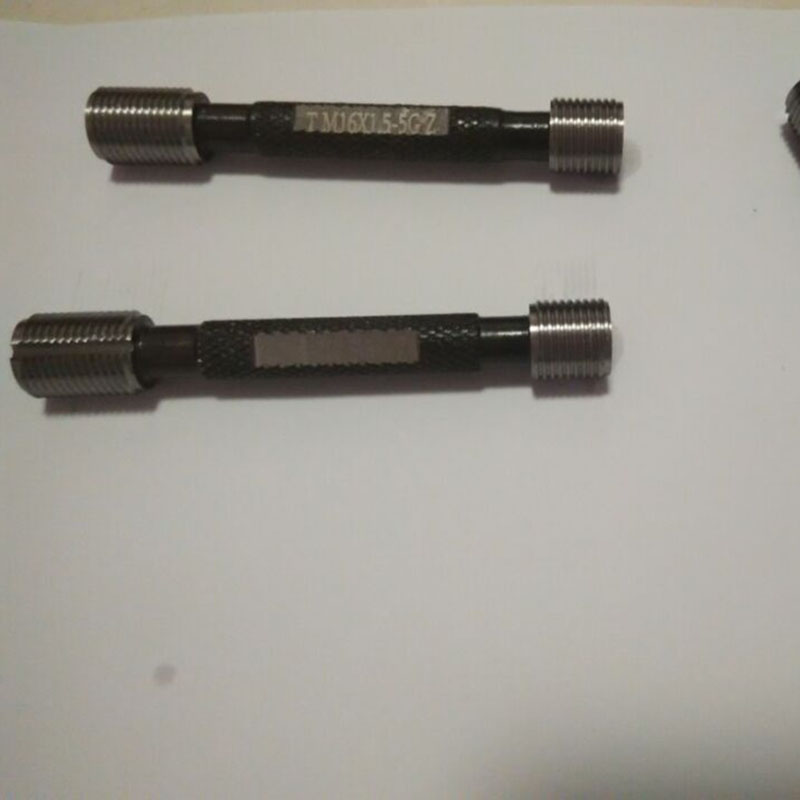
Welding Methods Used in Metal Table Fabrication
In the realm of metal table fabrication , choosing the right welding methods is crucial for creating

Welding Fabrication Techniques A Comprehensive Guide for Professionals
Understanding Welding Fabrication Tables A Key Tool for Precision and Efficiency Welding fabrication
 English